


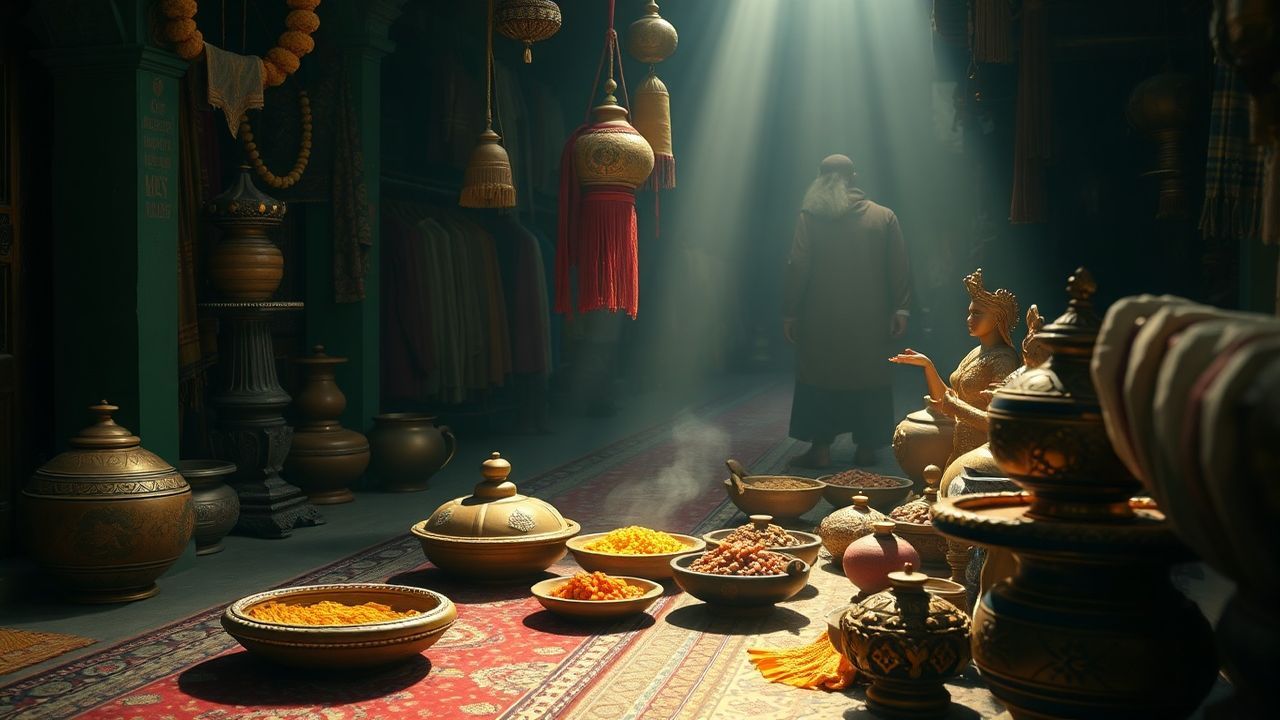
India is a land where every corner whispers stories of ancient traditions, vibrant cultures, and unparalleled artistic expression. At the heart of this rich heritage lies its diverse range of handicrafts, each piece a testament to generations of skill, dedication, and creativity. These aren’t just objects; they are a living narrative, reflecting the soul of the artisans and the unique identity of their regions. From intricate textiles that tell mythological tales to sculpted wonders in wood and metal, Indian handicrafts stand out for their exceptional beauty, intricate detailing, and the sheer human effort invested in their creation. Exploring these crafts offers a fascinating journey through India’s cultural depth and artistic prowess.
The Art of Textiles and Embroidery: Woven Wonders
Indian textiles are celebrated globally for their luxurious feel, vibrant colors, and elaborate patterns. The tradition of weaving and embellishing fabrics in India dates back thousands of years, with techniques passed down through families, creating a legacy of unparalleled craftsmanship. Each region boasts its distinct style, influenced by local culture, climate, and available resources.
Pashmina and Silk Weaving
Kashmir is synonymous with the exquisite Pashmina shawl, a symbol of warmth and luxury. Crafted from the fine wool of the Pashmina goat, these shawls are renowned for their incredible softness and lightness, often adorned with delicate embroidery. The process of making a Pashmina is labor-intensive, involving careful shearing, hand-spinning, and weaving. Equally significant is India’s silk tradition, which produces some of the world’s most beautiful silks. Varanasi is famous for its Banarasi silk sarees, characterized by their heavy gold and silver brocade or zari work, intricate designs, and fine quality. Kanchipuram in the South is known for its durable and rich Kanchipuram silks, favored for their contrasting borders and traditional motifs inspired by temples and natural elements. The meticulous process of selecting threads, dyeing, and then weaving them on handlooms results in fabrics that are not merely garments but wearable art pieces.
Zari and Chikankari Embroidery
Embroidery is another cornerstone of Indian textile handicrafts. Zari work, primarily from Uttar Pradesh, involves weaving fine threads of gold or silver into fabric to create shimmering patterns. Historically, zari was used to adorn royal garments and religious textiles, and today it adds a touch of opulence to sarees, lehengas, and bridal wear. Chikankari, from Lucknow, is a delicate and artful form of white-on-white embroidery, often done on muslin, cotton, or silk. It involves a variety of stitching techniques that create an ethereal, almost shadow-like effect. The subtle elegance and intricate details of Chikankari make it a timeless craft, requiring immense patience and skill from the artisans.
Sculptural Marvels: Wood, Metal, and Stone
India’s sculptural arts are as varied as its geography, ranging from the sturdy carvings of the Himalayas to the intricate metalwork of the Deccan Plateau. These crafts often blend functionality with profound artistic and spiritual significance.
Sandalwood Carvings and Bidriware
Mysore in Karnataka is famed for its fragrant sandalwood carvings. Artisans meticulously carve sandalwood into deities, animals, mythological figures, and decorative items. The natural aroma of the wood, combined with the detailed craftsmanship, makes these pieces highly prized. Each carving can take weeks or months to complete, reflecting the artisan’s dedication to perfection. In contrast, Bidriware from Bidar, Karnataka, is a unique metal handicraft known for its striking silver inlay on a blackened alloy of zinc and copper. The process involves casting, engraving, inlaying with pure silver wire, and then oxidizing the surface to create a contrasting black background. This exquisite technique is used to create vases, boxes, trays, and jewelry, showcasing geometric patterns, floral motifs, and calligraphic designs.
Marble Inlay and Stone Sculpture
Agra, home to the Taj Mahal, is the epicenter of exquisite marble inlay work, known as ‘Pietra Dura’. Inspired by Mughal architecture, artisans cut and fit together precisely shaped pieces of colored stones like lapis lazuli, malachite, coral, and jasper into carved marble. The result is a seamless mosaic that creates stunning floral and geometric patterns on tabletops, decorative plates, and souvenir boxes. Rajasthan is also famous for its stone sculptures, ranging from large temple carvings to smaller decorative items made from marble, sandstone, and granite. These sculptures often depict deities, mythical creatures, and historical figures, embodying a strong sense of tradition and spiritual artistry.
Vibrant Pottery and Terracotta Art
The art of pottery in India is one of its oldest crafts, with archaeological evidence dating back to the Indus Valley Civilization. It’s a craft that connects directly to the earth, transforming humble clay into items of both utility and beauty.
Blue Pottery of Jaipur
Jaipur’s Blue Pottery is perhaps the most distinctive form of glazed pottery in India. Characterized by its vibrant blue and green motifs on a white background, it’s not made of traditional clay but a mix of quartz stone powder, powdered glass, borax, gum, and multani mitti (Fuller’s earth). This unique composition makes the pottery remarkably strong yet translucent. The designs are typically floral, animal, or geometric, drawn from Persian art influences. Blue pottery items range from decorative plates and tiles to bowls, vases, and lamp bases, each handcrafted and hand-painted, showcasing a rich artistic tradition that has been revived and preserved.
Terracotta from Bengal
West Bengal is renowned for its terracotta art, particularly the distinctive Bankura horse. Terracotta, meaning “baked earth,” uses unglazed fired clay to create sculptures and utilitarian items. The Bankura horse, with its upright ears and elongated neck, is a traditional symbol often associated with religious rituals and is a widely recognized emblem of Indian folk art. Beyond these iconic horses, Bengali terracotta includes intricately designed panels, decorative figures, and household items, often adorned with mythological scenes, folk motifs, and daily life representations. The earthy tones and rustic charm of terracotta handicrafts reflect a deep connection to rural life and indigenous artistic practices.
Exquisite Paintings and Folk Art
Indian painting traditions are incredibly diverse, encompassing classical, folk, and tribal styles, each telling a unique story through color, form, and symbolism.
Madhubani and Warli Paintings
Madhubani painting, originating from the Mithila region of Bihar, is characterized by its geometric patterns and vibrant colors. Traditionally done by women on freshly plastered mud walls, it has now transitioned to canvas, paper, and fabric. Themes primarily revolve around Hindu deities, nature, and scenes from daily life, often using natural dyes and double lines for borders. Warli painting, from the tribal communities of Maharashtra, is a monochromatic art form that uses basic geometric shapes—circles, triangles, and squares—to depict human figures, animals, and scenes of communal life, such as farming, dancing, and hunting. These simple yet profound paintings often narrate tribal folklore and traditions, offering a glimpse into their way of life and connection with nature.
Miniature and Thangka Art
Miniature paintings, a highly refined art form, flourished under the patronage of Mughal, Rajput, and Pahari rulers. These detailed and intricate paintings, often no larger than a postcard, depict courtly life, epic narratives, portraits, and natural scenes. The precision, delicate brushwork, and rich color palettes make miniature paintings a marvel of artistic skill. Thangka paintings, originating from Tibetan Buddhist traditions and found in Himalayan regions like Ladakh and Sikkim, are scroll paintings on cotton or silk appliqué, usually depicting a Buddhist deity, scene, or mandala. These sacred artworks serve as important teaching tools and meditation aids, with specific iconographic rules governing their creation, combining intricate detail with spiritual significance.
Preserving and Promoting India’s Artistic Heritage
The survival and growth of India’s handicraft sector are crucial not only for preserving cultural identity but also for sustaining the livelihoods of millions of artisans. While traditional methods remain central, modern approaches are vital for these crafts to thrive in a globalized world.
Supporting Artisans in the Digital Age
In an increasingly connected world, artisans and craft cooperatives can leverage digital platforms to reach wider audiences. Establishing an effective online presence is key. This might involve robust website design with professional dashboard features, allowing artisans to showcase their work, manage inventory, and process orders efficiently. For those offering custom pieces, consultations, or workshops, implementing professional appointment scheduling for consultants and coaches can streamline client interactions. Furthermore, developing strong branding services is essential to create a unique identity and tell the story behind each handicraft, distinguishing it in a competitive market. Artisans can benefit from platforms created with the best auto detailing website builder adapted for e-commerce, ensuring their products are presented professionally and are easily discoverable. Comprehensive digital marketing strategies, such as those that make Digital Marketing Made Easy: Let Our Team Handle, can help promote these unique products to a global audience, fostering appreciation and demand for authentic Indian handicrafts.
Government initiatives, NGOs, and fair trade organizations also play a pivotal role in providing training, market access, and financial support to artisan communities. Promoting sustainable practices, ensuring fair wages, and creating awareness about the cultural significance of these crafts are vital steps towards securing their future.
Conclusion
The handicrafts of India are more than just commodities; they are cultural treasures, each carrying the legacy of its region and the skill of its maker. From the intricate weaves of Banarasi silk to the earthy charm of terracotta, the delicate brushstrokes of Madhubani to the sparkling inlay of marble, these creations are a vibrant expression of India’s soul. They represent centuries of artistic evolution, resilient traditions, and the enduring human spirit of creativity. As these crafts adapt to new markets and modern challenges, their essence remains rooted in authenticity and unparalleled artistry, continuing to captivate and inspire admirers worldwide.